"
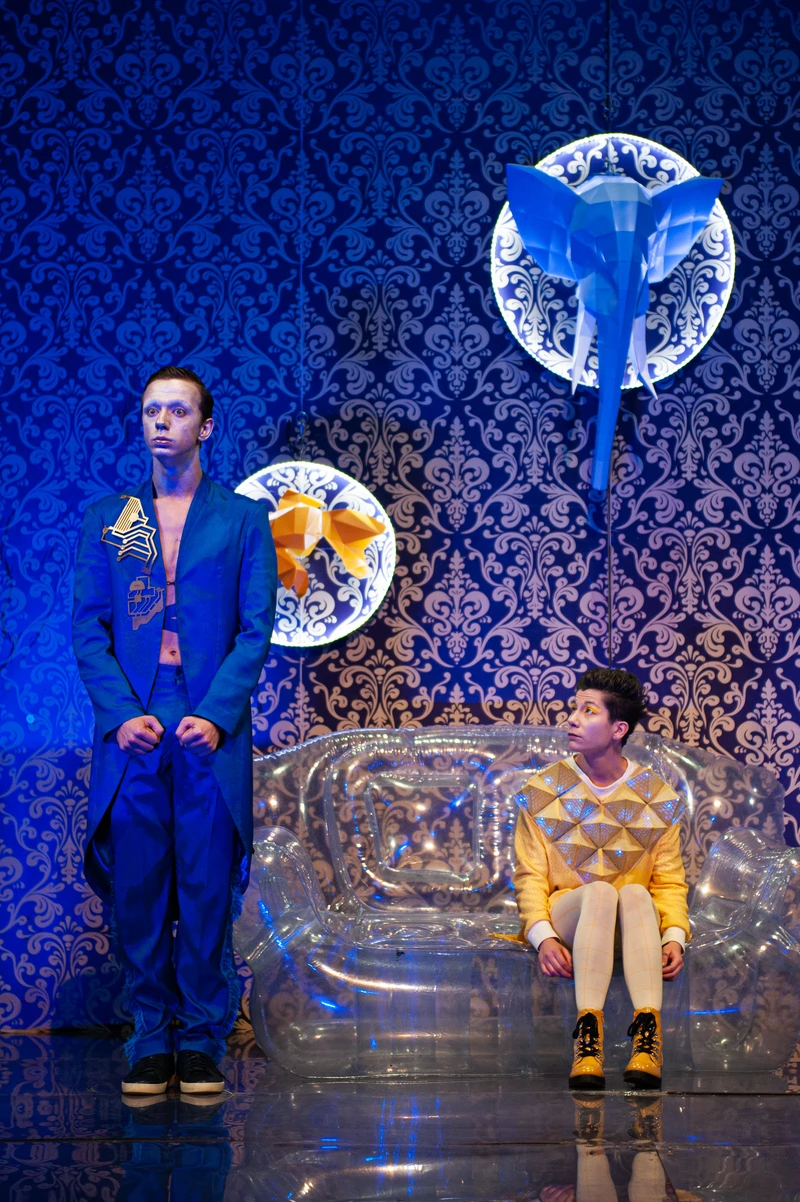
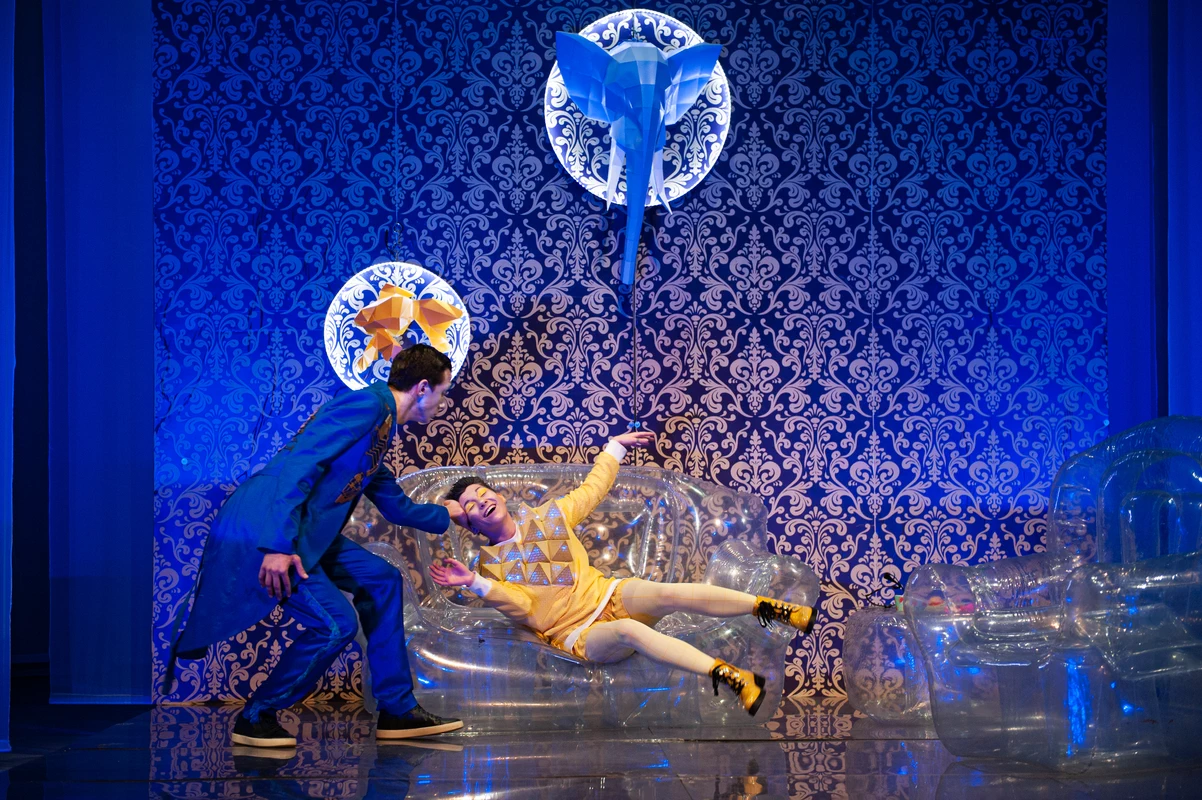
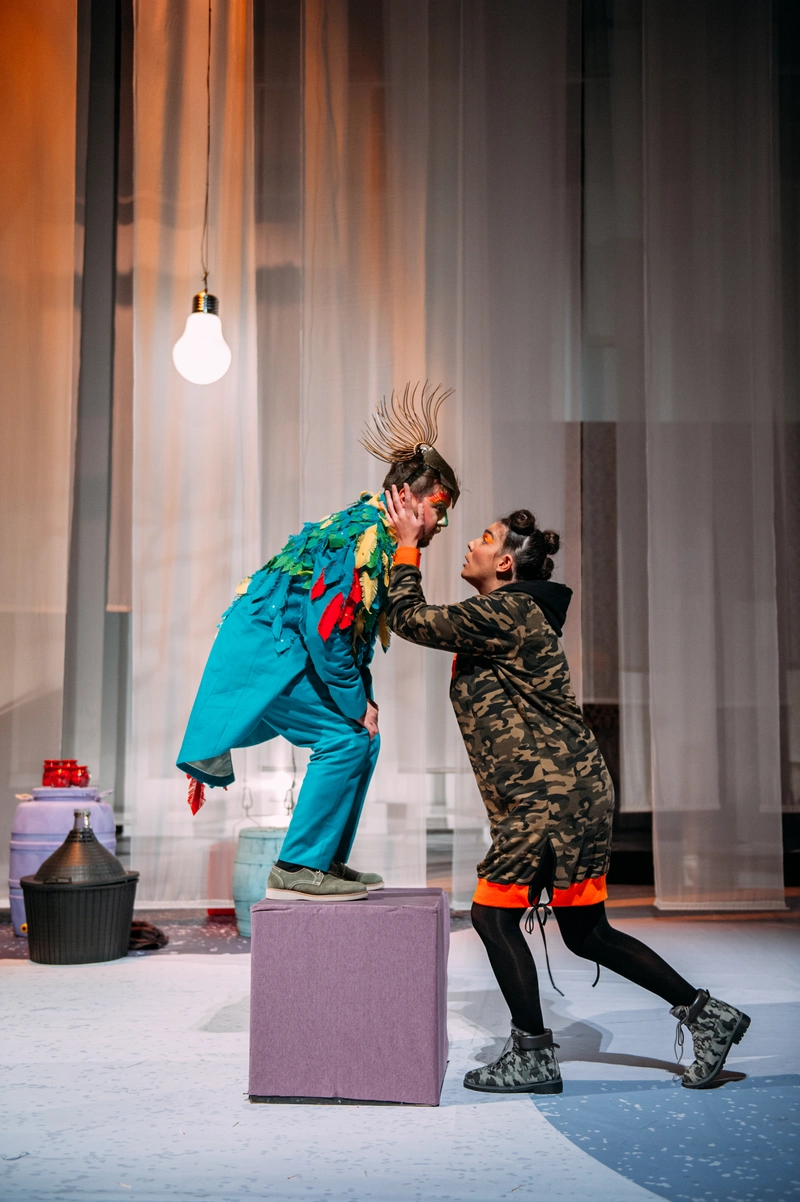
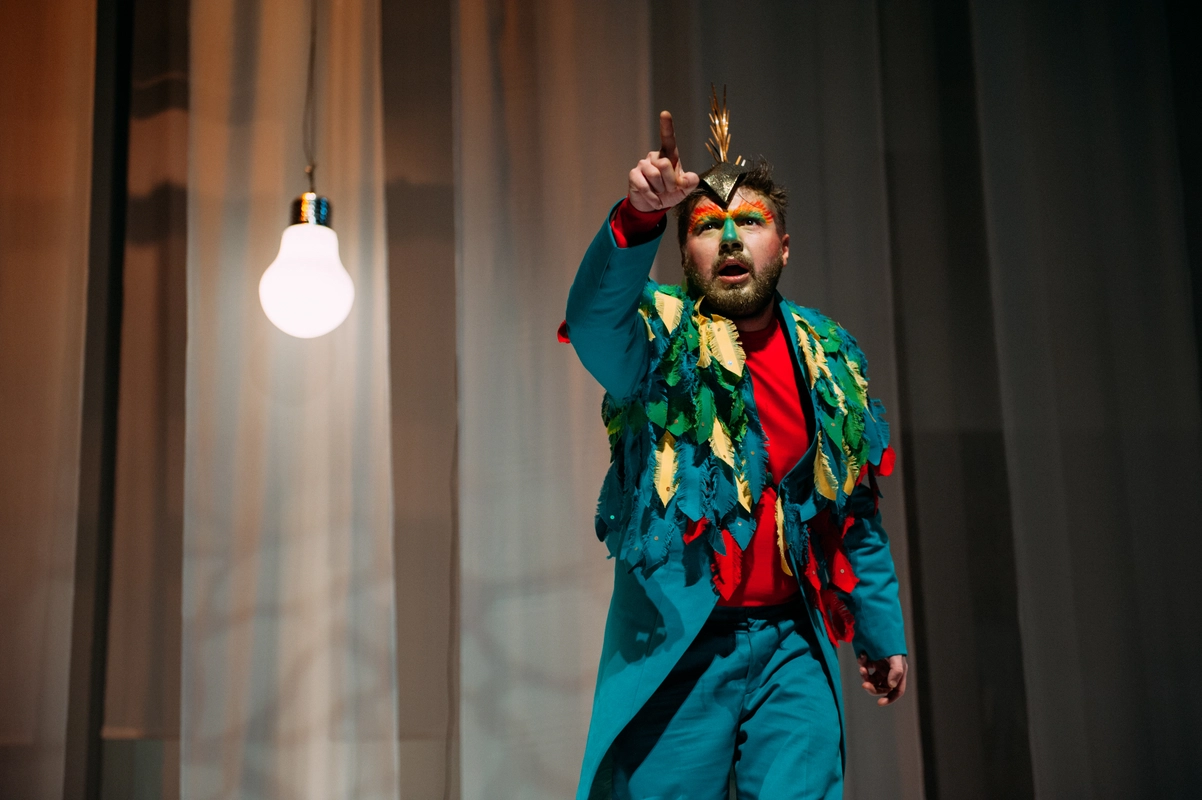
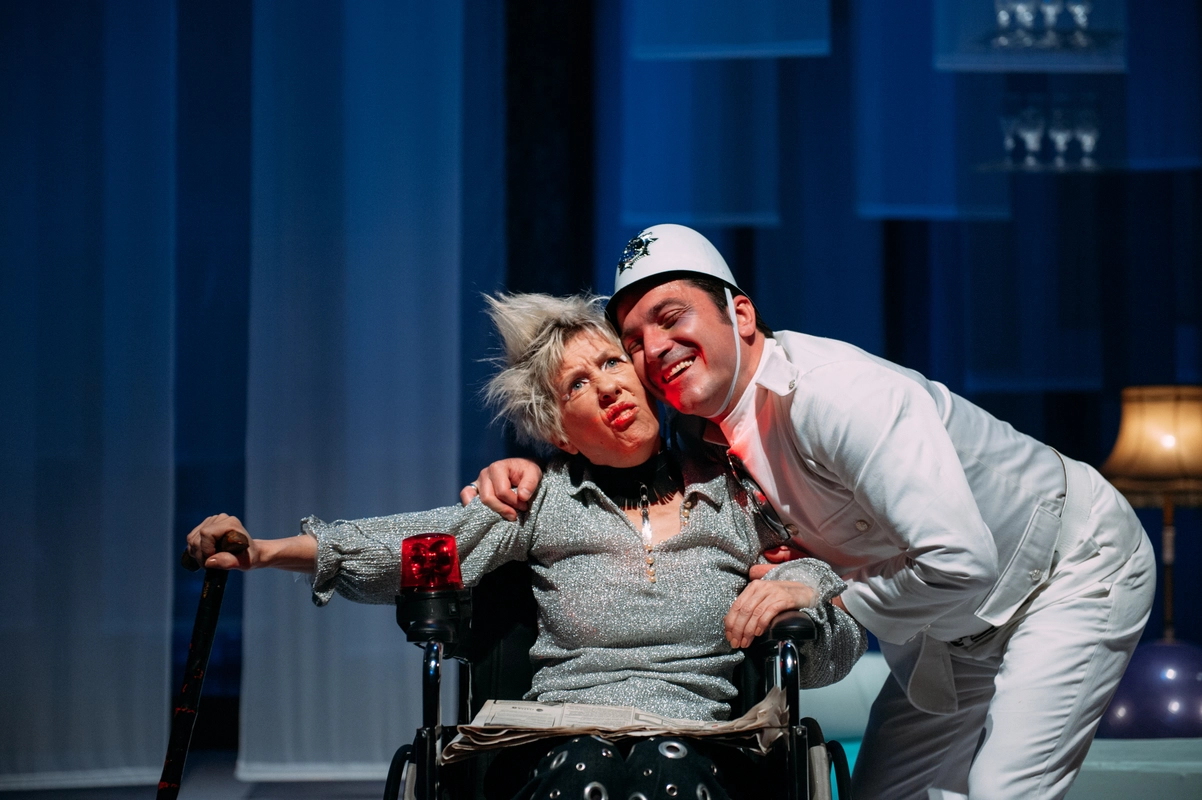
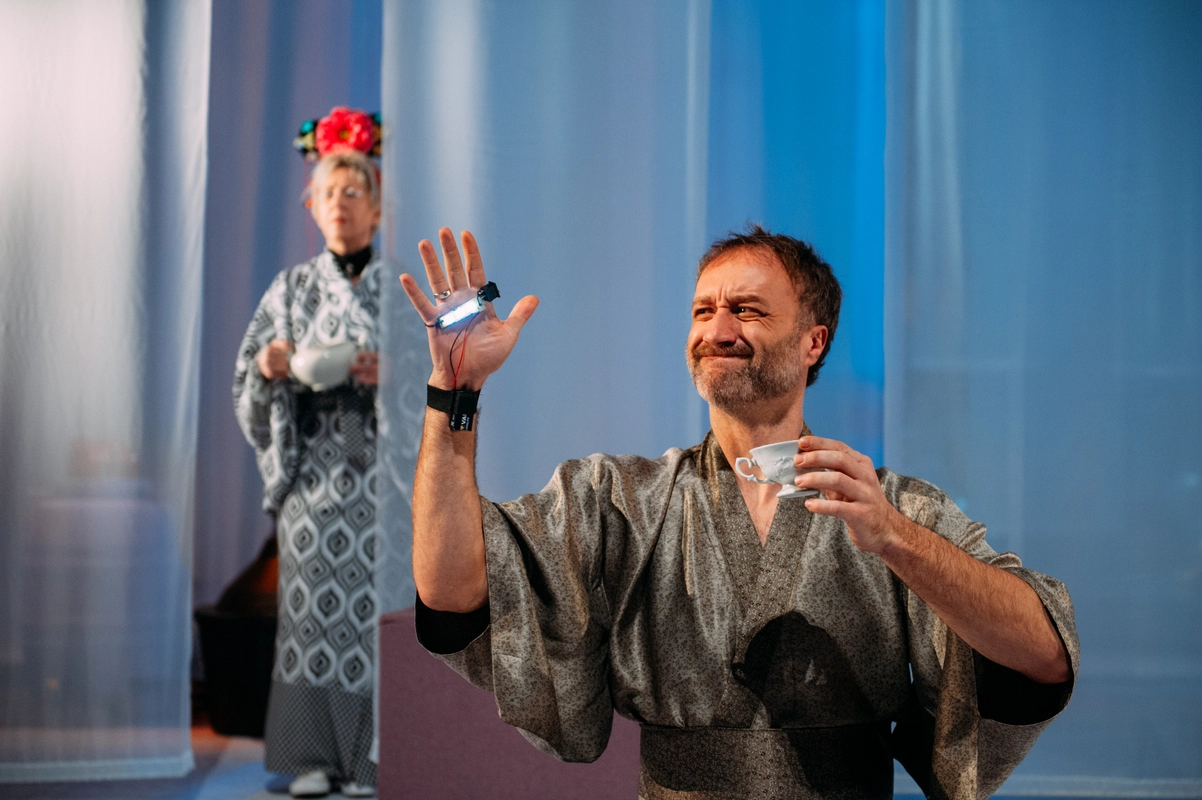
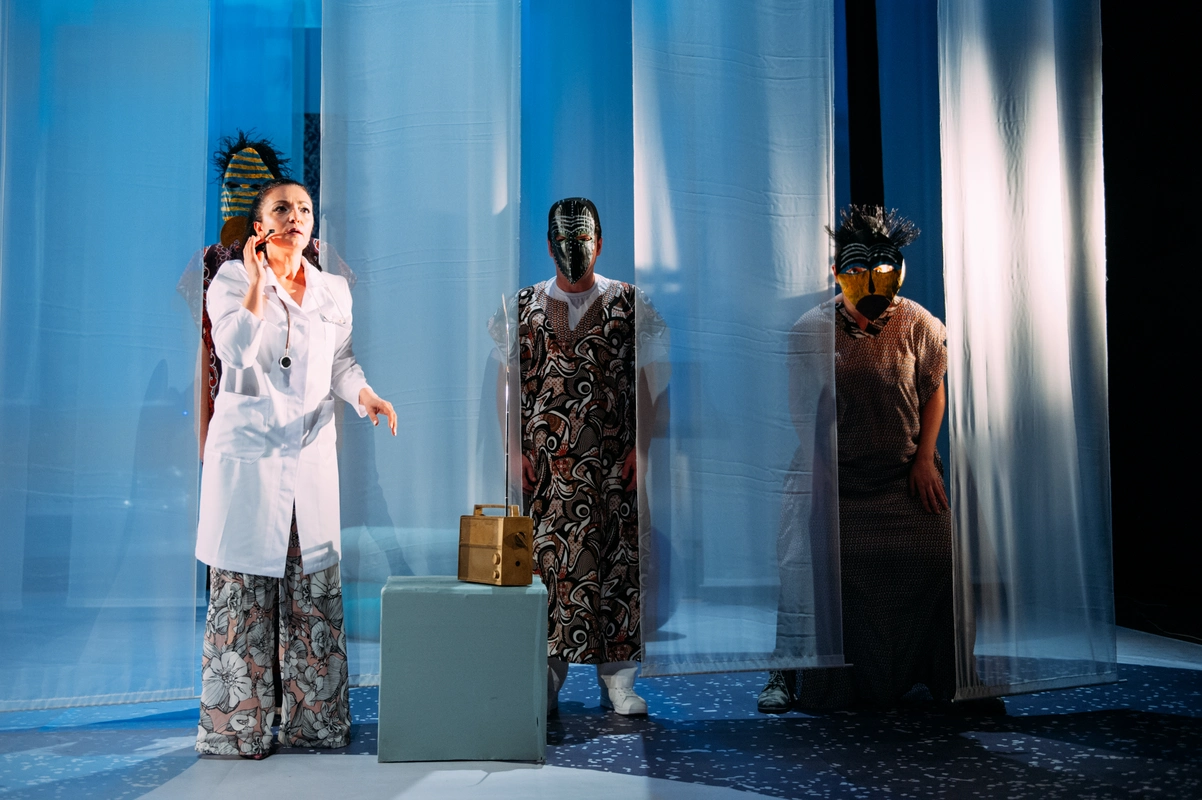
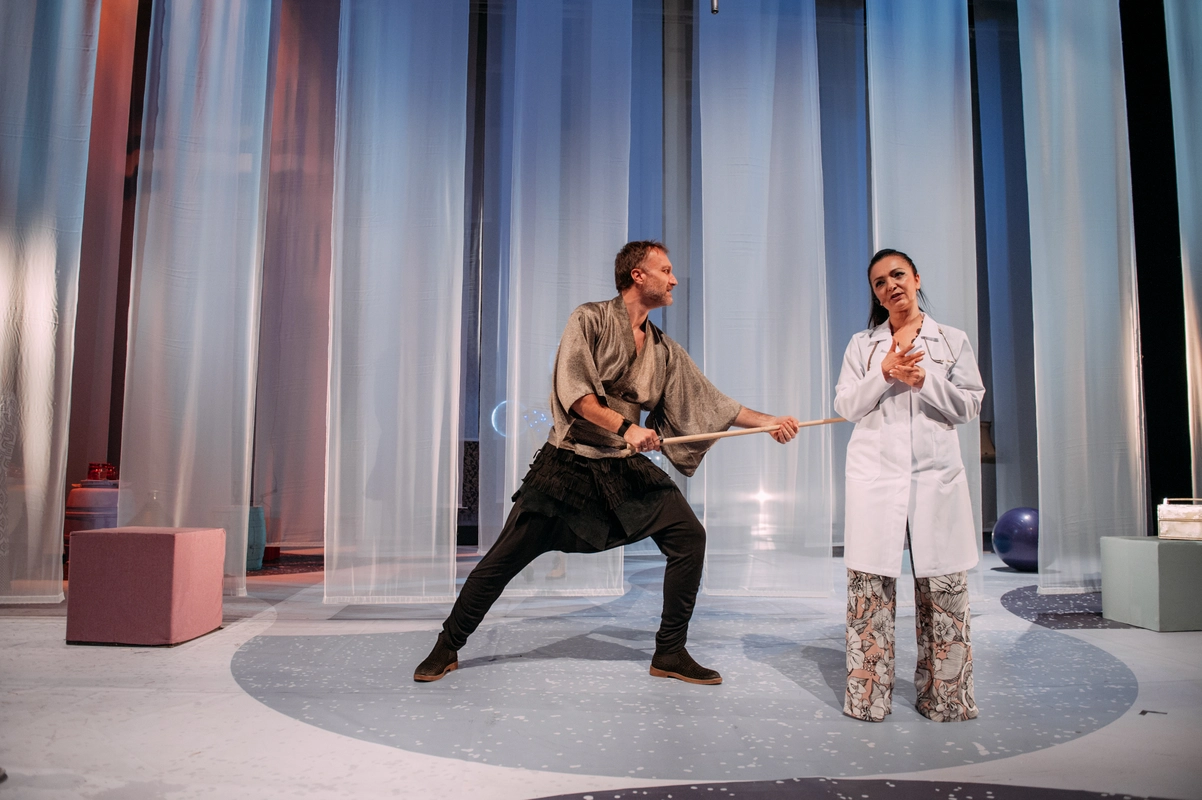
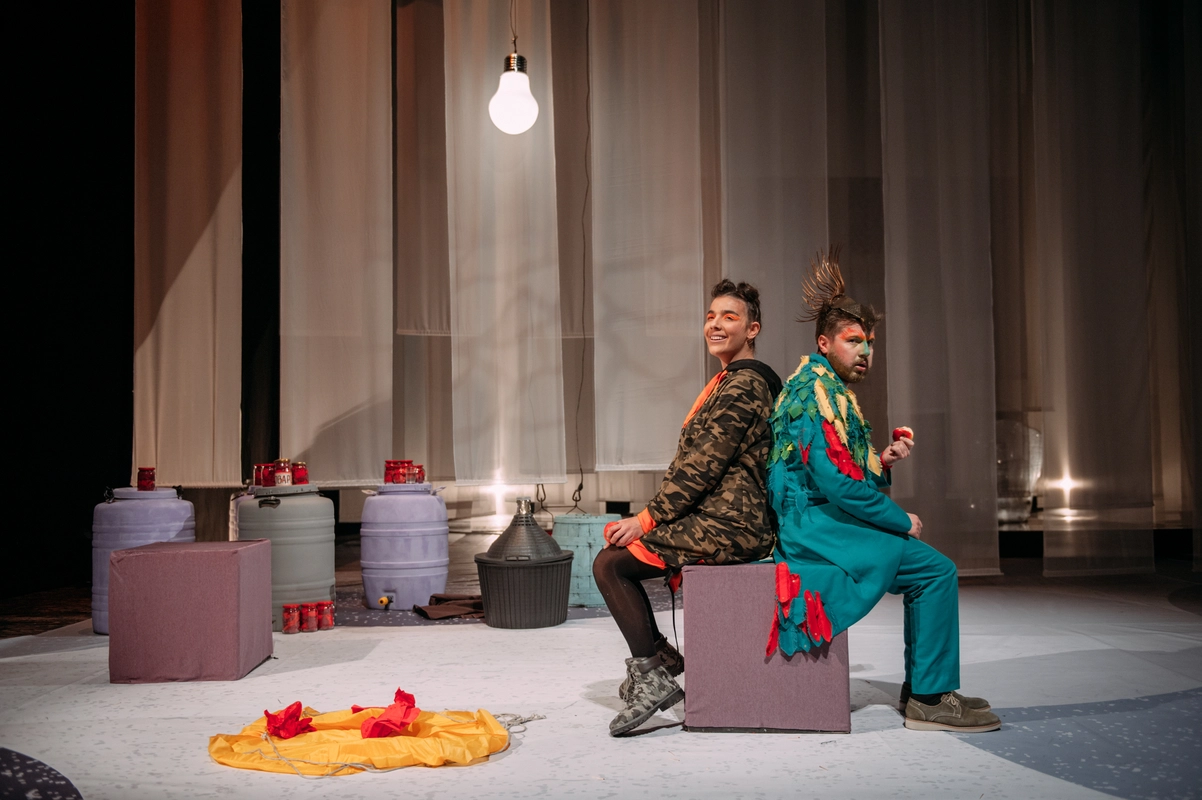
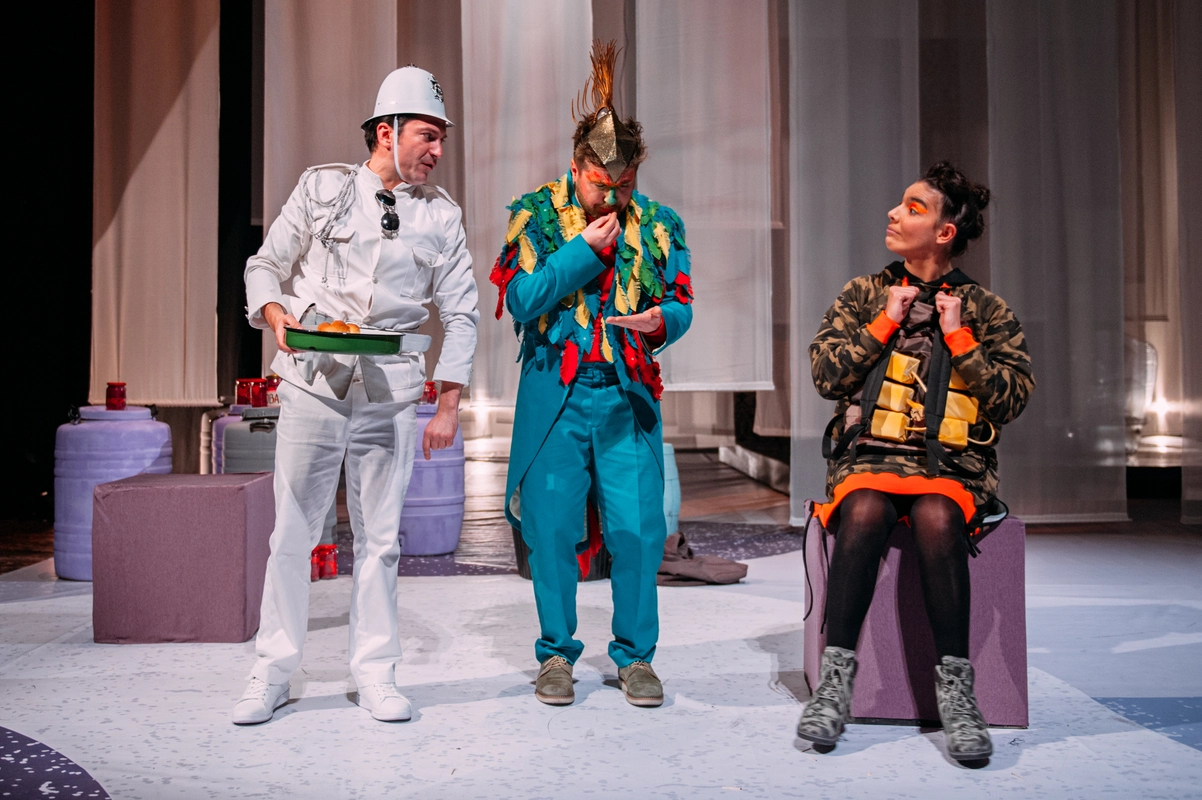
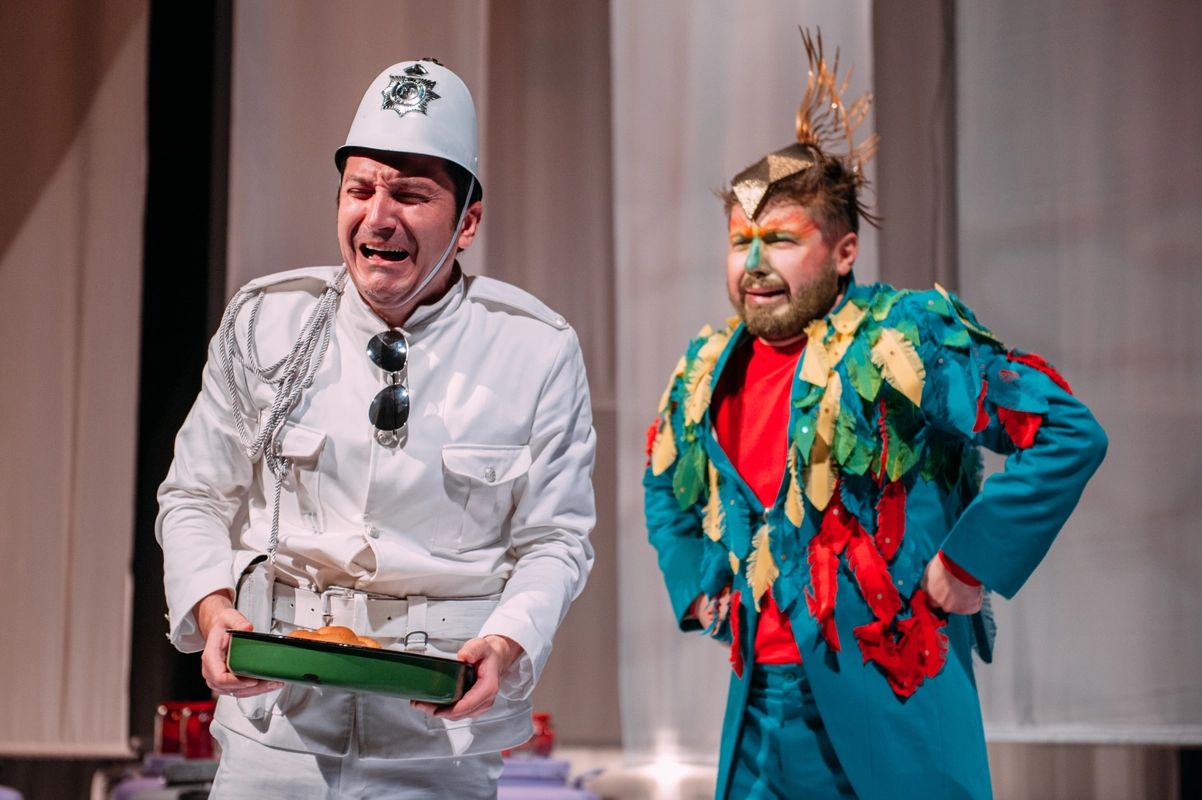
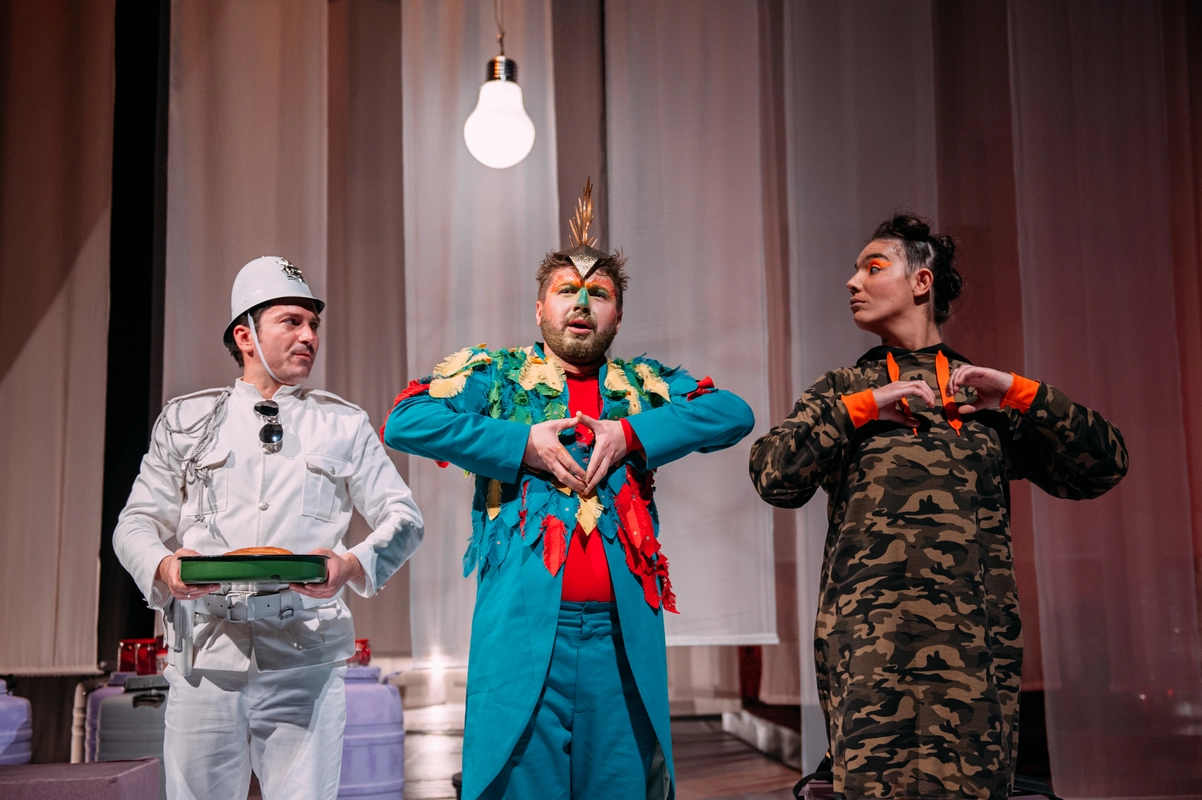
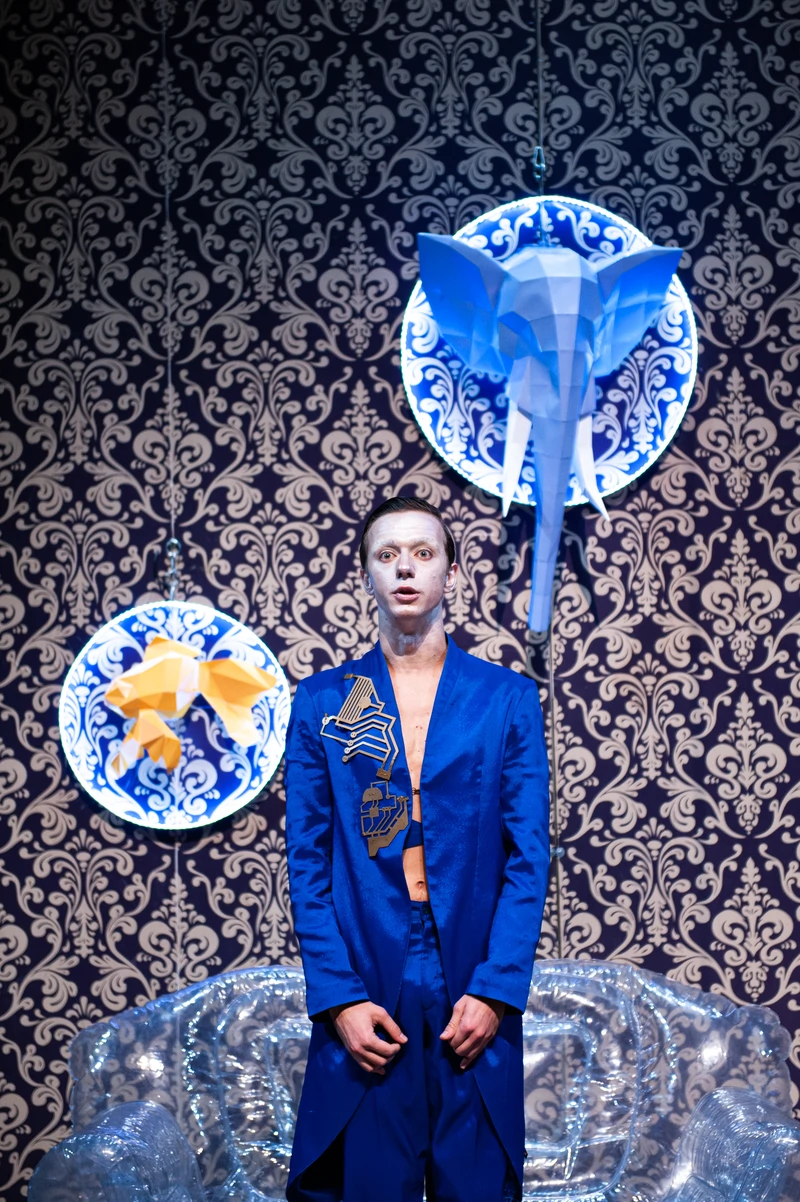
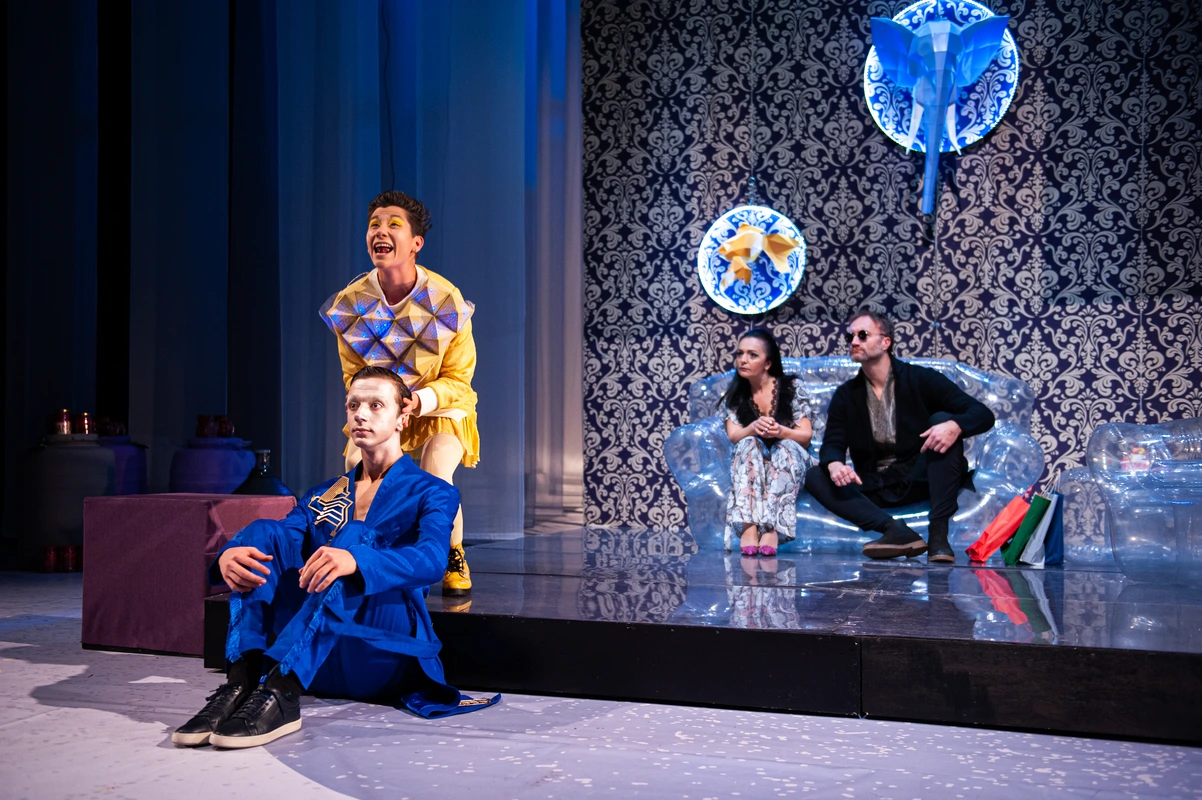
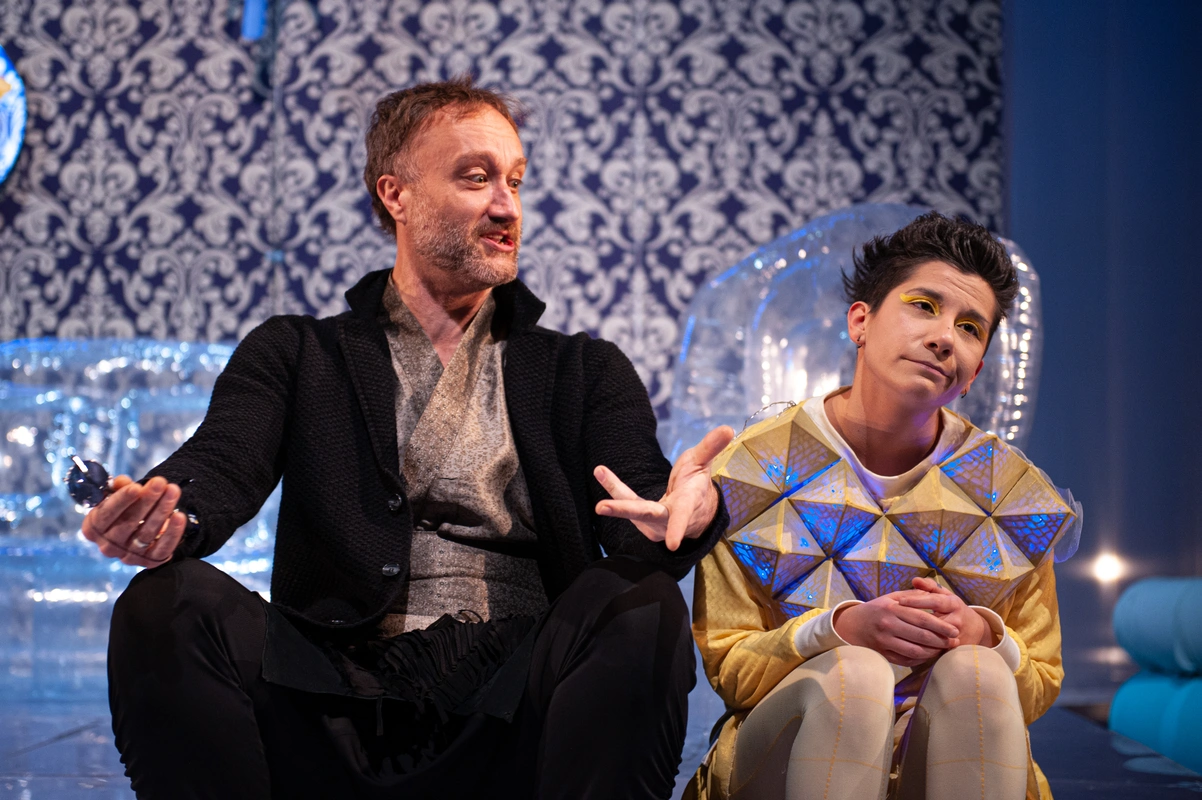
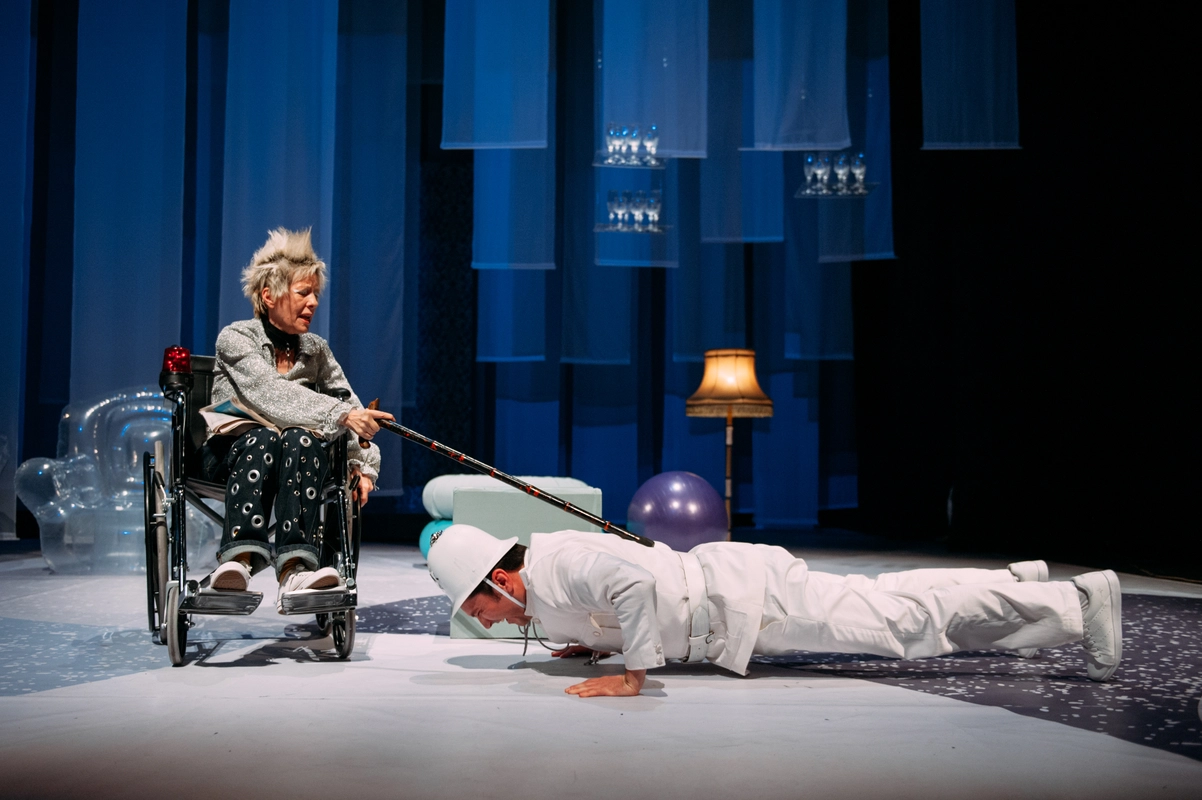
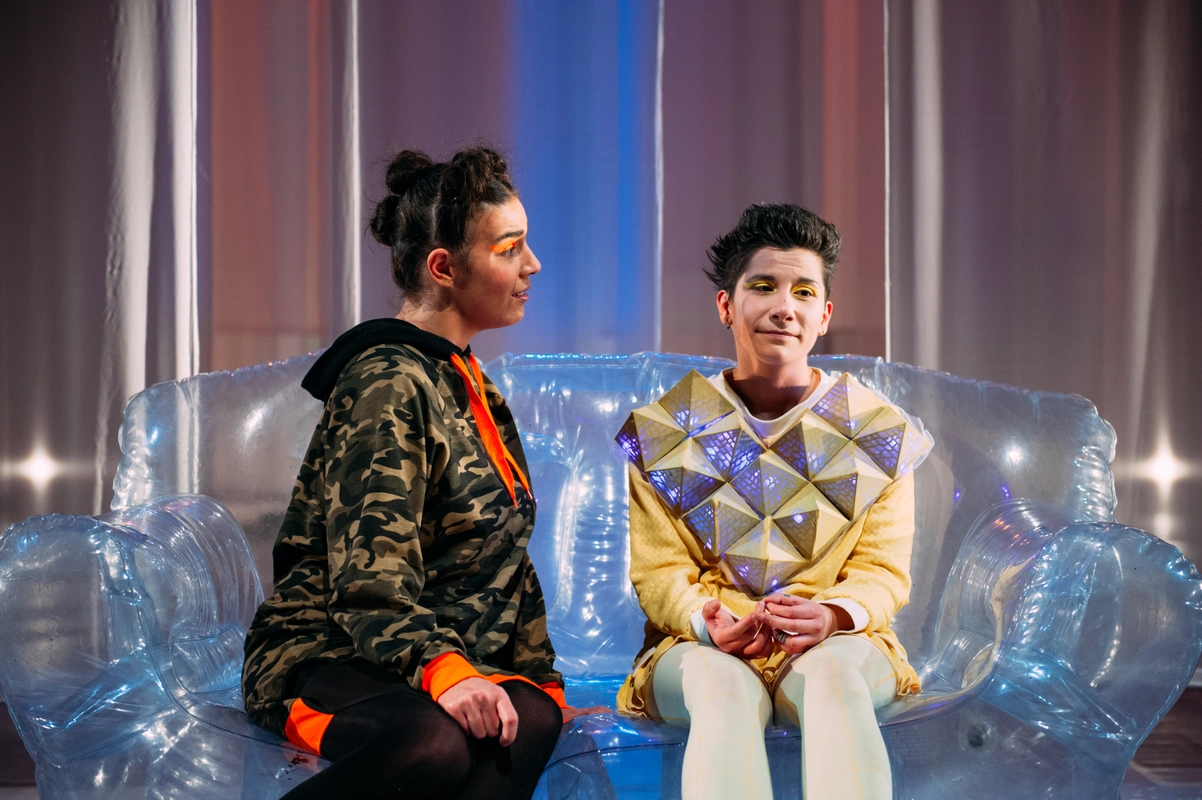
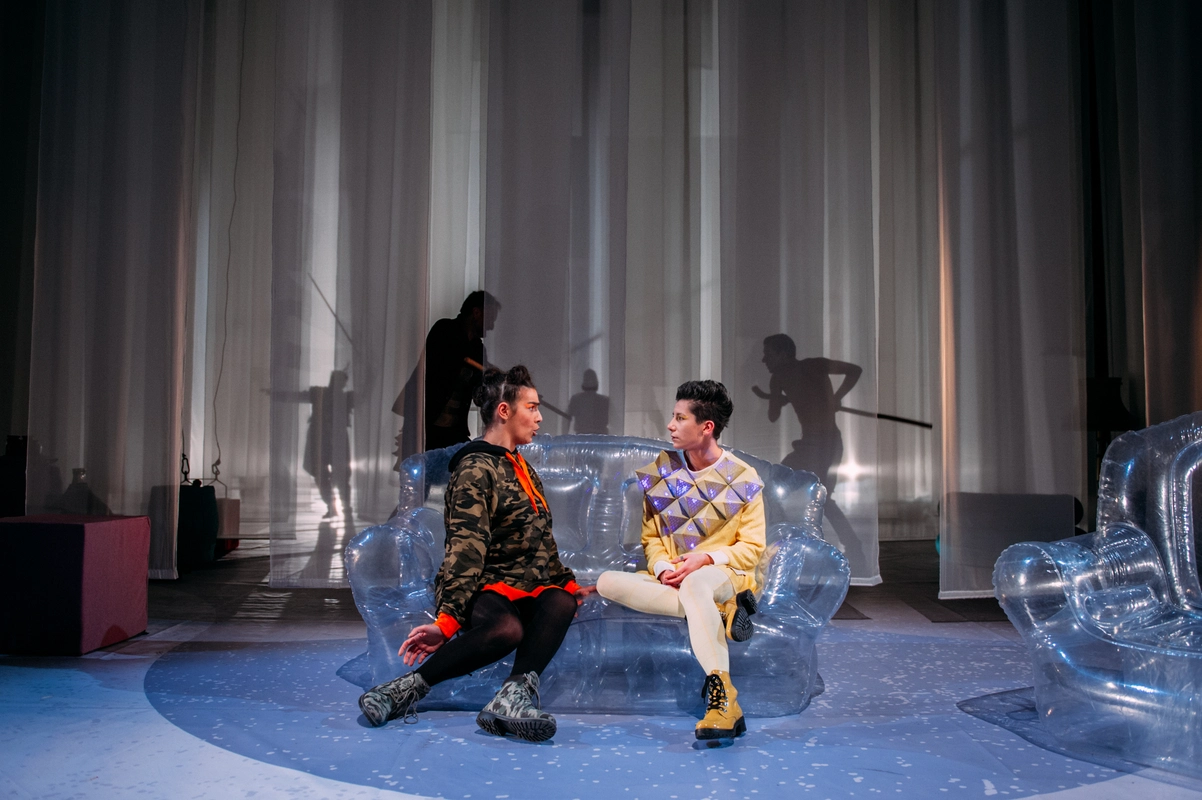
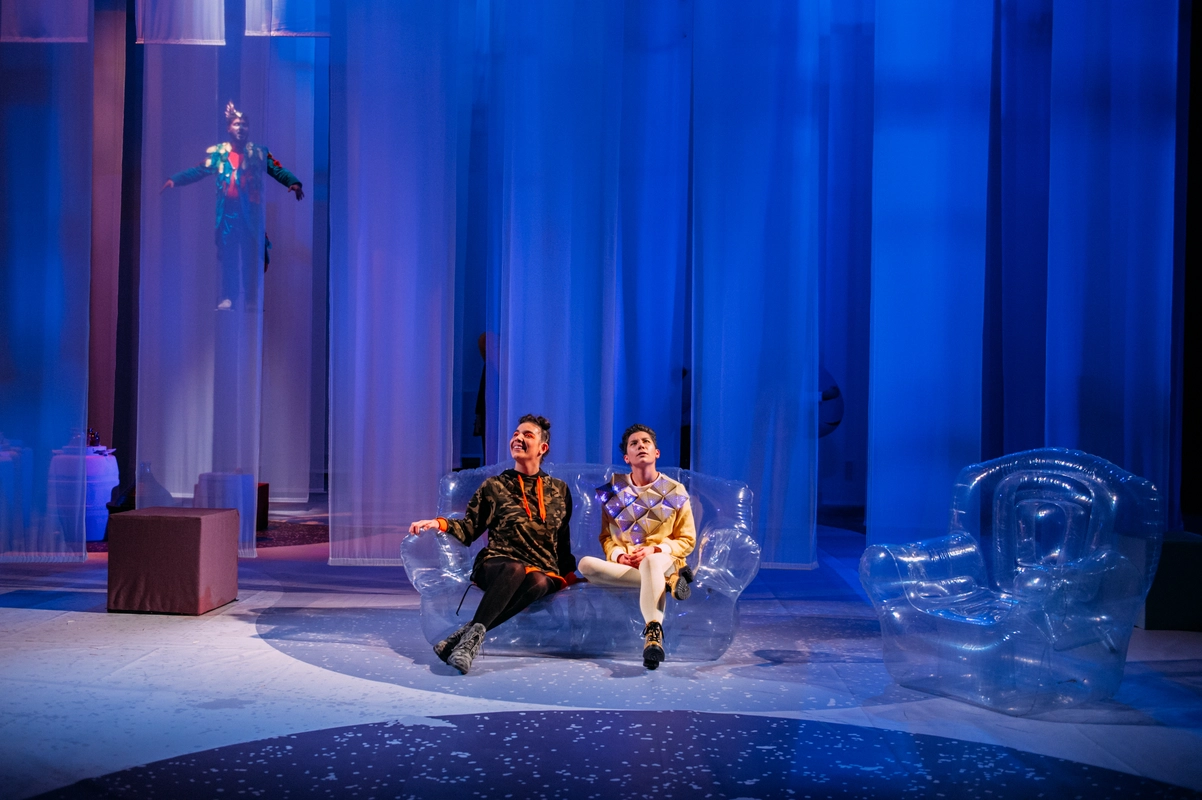
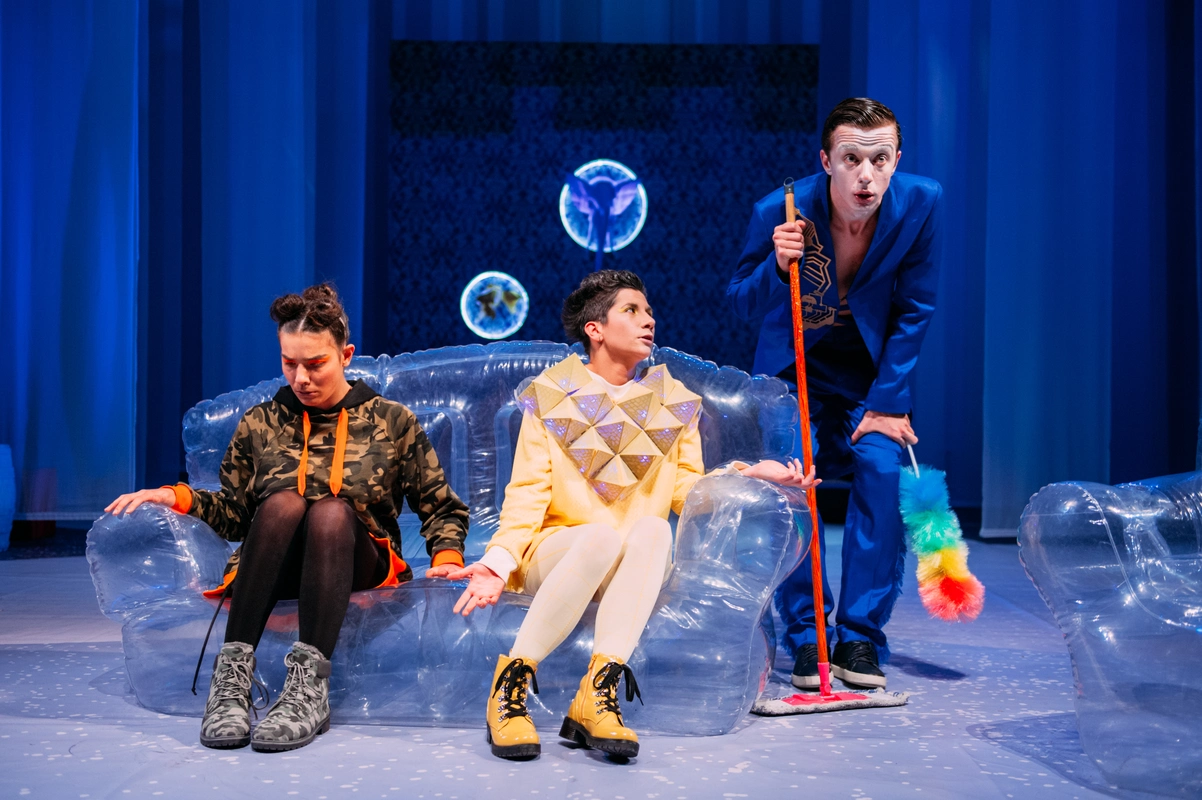
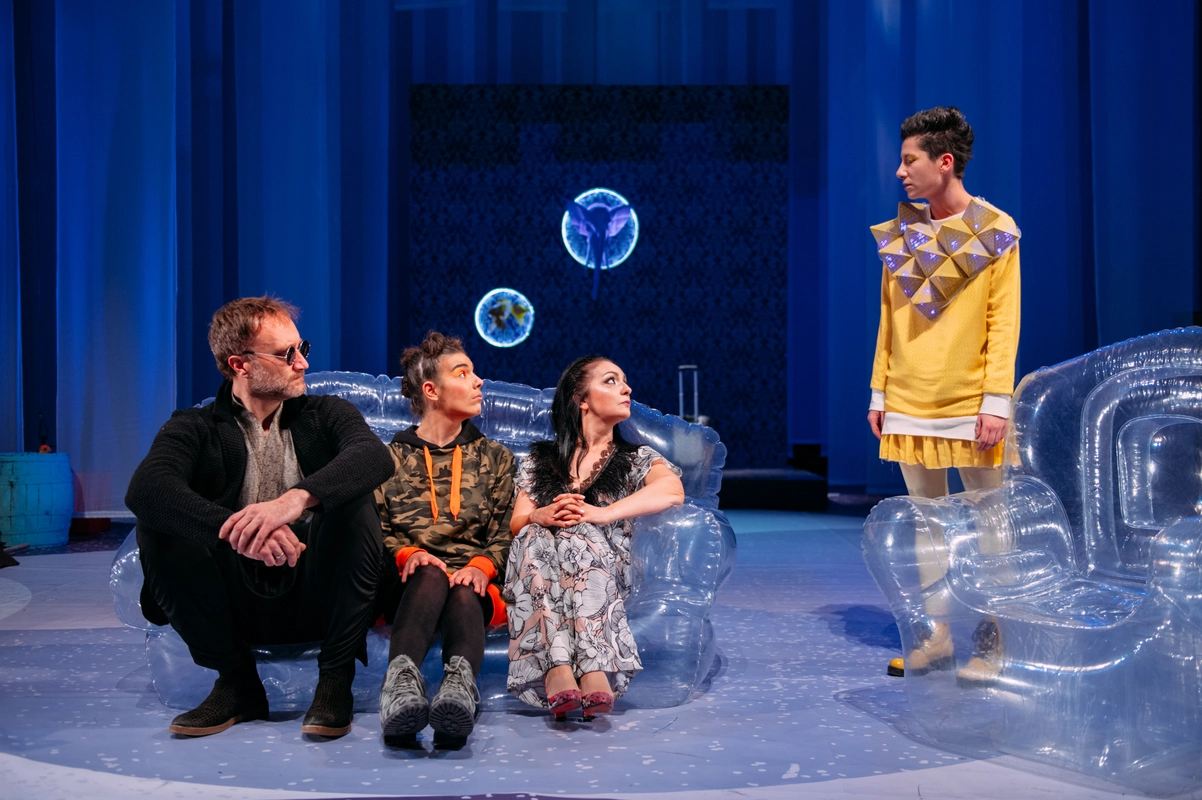
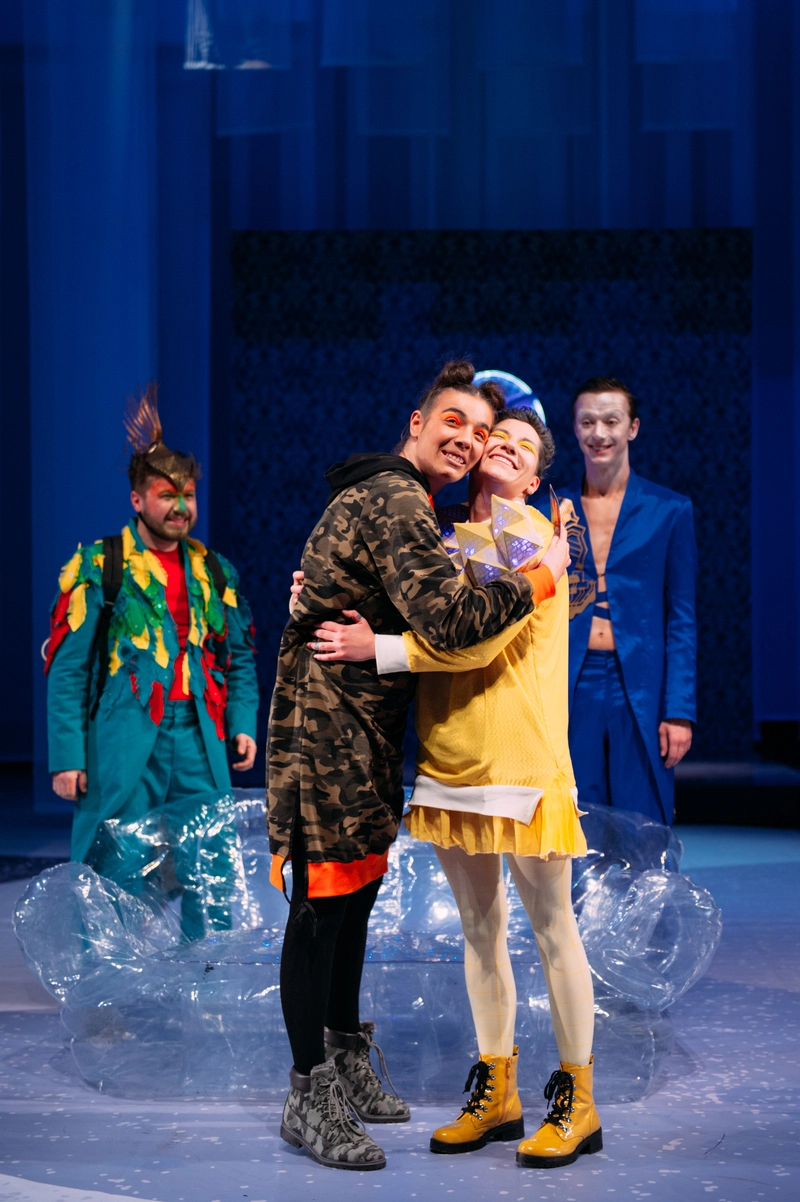
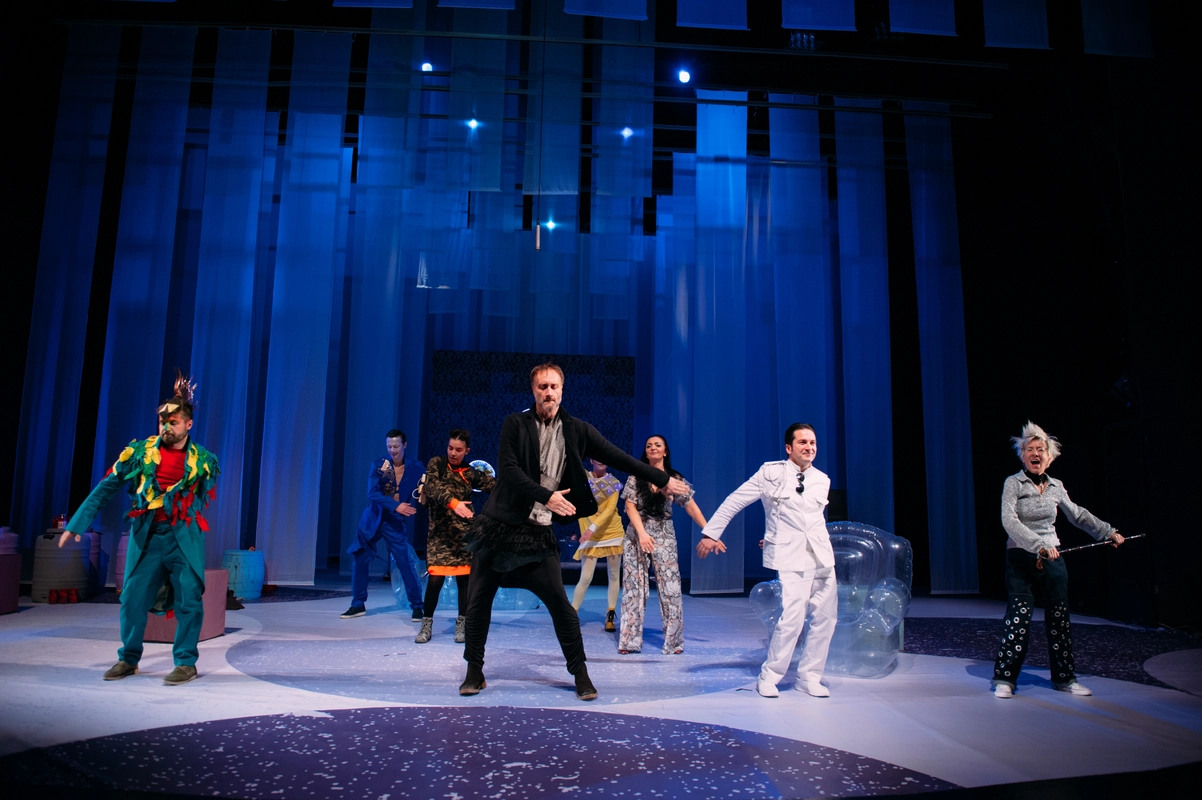
[Once Upon a Future is a punchy, visual trip that doesn't talk down to kids. It trades typical fairy tales for the grit of our modern reality—war, screens, and isolation—without losing its sense of play.
It hits that rare sweet spot: honest enough for children and sharp enough for adults. At its core, the show asks if empathy can still survive a digital world. It’s bold, fast-paced, and turns a night at the theatre into a much-needed conversation about how we actually connect.]
"
[We hand them screens to shut them up, then wonder why they’re glued to screens at 2am feeling empty and isolated.]
"
[Time to log off, hug our kids, and actually TALK. No more excuses. 💔 ]
"
[Adults, stop yapping about “back in my day” and START LISTENING to the people who have to live in the future you’re ruining.]
![[Performance Title]](performance_gallery/poster.jpg)